Need pest control in Inglewood?
Tell us what you are seeing at home. Request a callback to check provider availability, or send the request form and a local provider will follow up.
No obligation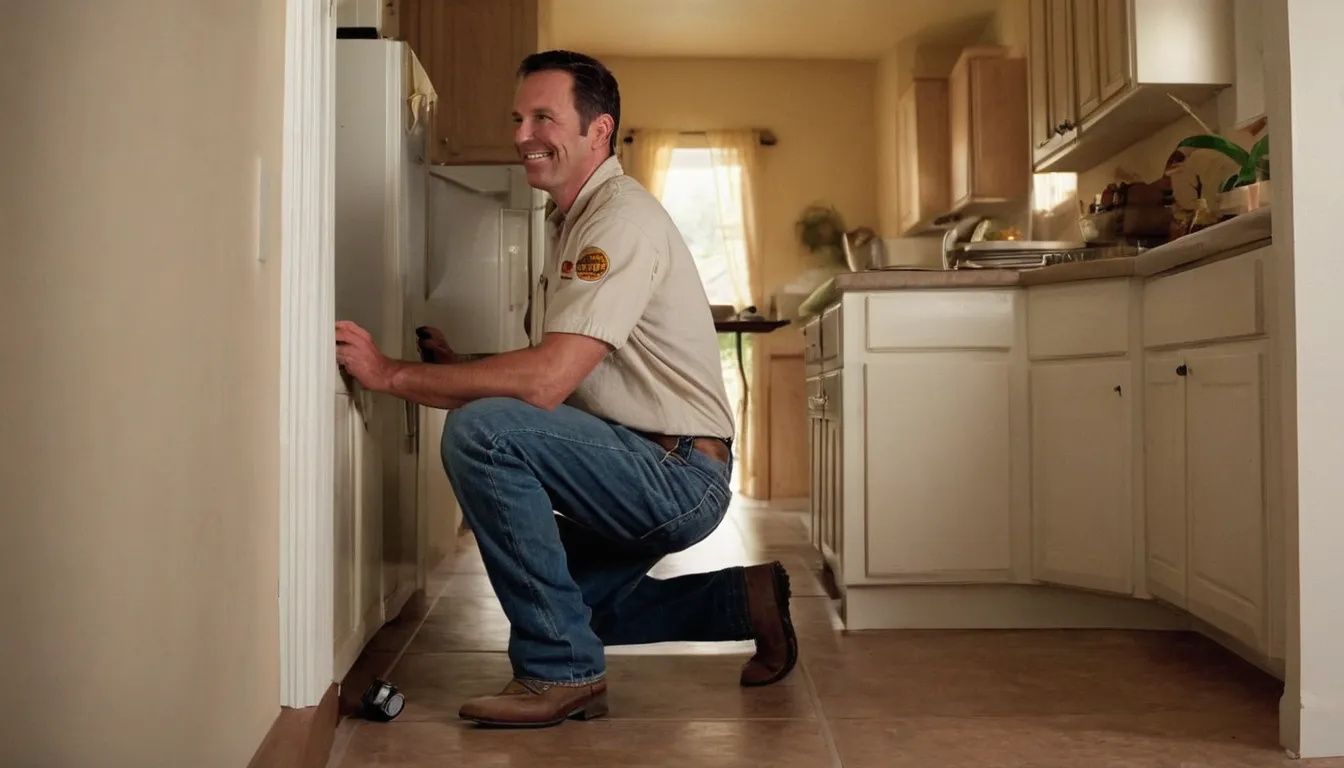
Request an estimate from a local provider
A lot of people think pest control means one spray and a long wait. In practice, good treatment starts with finding the pest, the entry points, and the reason it showed up. Then the provider picks a method that fits.
Crimesregulations Pest Control is a referral service for homeowners in the Inglewood area. We do not do the treatment. We explain your options, then connect you with an independent provider in our network. Ask for a written quote before work begins, so the scope and price are clear from the start.
You spot ants on the counter, a spider in the corner, or a roach near the sink. Most people grab a store spray and hope. That is a very common move.
Myth: one can of spray ends the problem. Fact: sprays often kill what you see and miss the nest or the entry point. A local provider can look for the source.
If you want an exterminator near me, you are in the right place. Request a callback to check provider availability.
A small ant trail can turn into a kitchen full of ants. A few mice can grow into a crowd. Pests multiply faster than most people expect.
Early treatment usually means a simpler job. It often means a lower bill too. Waiting tends to mean more visits and more product.
Some pests also carry bigger risks. Roaches can trigger allergies. Rodents can chew wiring. Termites can eat wood quietly for months.
Residential pest control is more than spraying. A typical visit has a few parts.
The provider should explain what they plan to use and where, before they start.
Myth: ants show up because your home is dirty. Fact: ants follow food, water, and warmth. Even a spotless kitchen can draw them during dry spells, when they hunt for moisture.
Roaches like dark, damp spots. Crickets wander in from the yard. Both can be handled once the provider finds the hiding places and the way in.
Rodents squeeze through small gaps. Older bungalows and many tract homes have plenty of them near pipes and vents. Rodent work can be a separate service, with its own steps.
Bed bug treatment is its own process. It often needs more than one visit, plus prep work on bedding and furniture. A bed bug problem is not a sign of poor housekeeping. They travel on luggage and clothes.
Termites hide inside wood. If you see mud tubes or discarded wings, ask a provider to inspect soon. Termite treatment has its own page here.
Providers have more than one tool. Each fits a different job.
Stucco homes on slabs and raised foundations have different weak spots. A good provider checks yours instead of using a one-size plan.
Myth: pest products are unsafe for every home. Fact: providers use products labeled for home use, and the label sets the rules. Safety still depends on how they are used.
Before the visit, tell the provider about kids, pets, fish tanks, and anyone with breathing issues. Ask what is being applied and how long to stay out of treated rooms.
During wildfire smoke seasons, you may keep windows shut more. Mention that, since it can change how a provider plans ventilation and timing.
This is where many people feel stuck. Here is a simple way to think about it.
A plan is not always needed. Ask the provider why they suggest it, and what each visit includes.
Price depends on the pest, the size of the home and yard, how bad the problem is, and how many visits are needed. A quote on paper keeps everyone on the same page.
Look for the pest being treated, the areas covered, the number of visits, and any repeat-visit terms. Quote before work is the safest habit.
A few quick checks help.
If something feels vague, ask again. A good provider will explain it plainly.
You can do a few things before and after the visit.
In long dry seasons, pests head for water. In winter rain, they push indoors for shelter. Both patterns are worth mentioning to your provider.
You now know the basics. The next move is simple: talk to a provider about your home. Request a callback to check provider availability, or send a request and get matched.
The provider checks inside, outside, and the foundation to find the pest, its path in, and what attracts it.
Sprays, baits, or barriers are chosen for the specific pest and the areas where it hides.
Many providers point out or seal gaps near pipes, vents, and doors so pests have a harder time returning.
You get tips on what to expect, how long to wait, and when a repeat visit might make sense.
These are typical U.S. ranges, and they vary by pest, home size, and how many visits are needed. Treat them as a starting point, and always ask for a written quote before work starts.
| Service | Typical range | Notes |
|---|---|---|
| Inspection | $75 – $250 | Some providers apply it to the treatment cost |
| One-time general treatment | $100 – $300 | Ants, spiders, roaches in a typical home |
| Ongoing quarterly plan | $100 – $200 per visit | Often cheaper per visit than single calls |
| Cockroach treatment | $150 – $600 | Often needs follow-up visits |
| Bed bug treatment | $300 – $1,500 | Varies by rooms and method used |
| Rodent control (basic) | $200 – $600 | Sealing and repairs may add cost |
Tell us what pest you see, where you see it, and how long it has been going on.
We connect you with an independent provider in our network who serves your area.
The provider explains the plan and gives you a written quote before any work starts.
The provider does the work and explains what to expect and when to check back.
We sort myths from facts, so you know what a pest problem really needs before you decide.
You see the main treatment choices laid out, along with typical next steps.
We explain what drives price, so a written quote makes sense when you get it.
You are connected with independent providers in our network who handle the actual work.
Tell us what you are seeing at home. Request a callback to check provider availability, or send the request form and a local provider will follow up.
No obligationA one-time general treatment often runs about $100 to $300 in the U.S., while ongoing plans are billed per visit. Price depends on the pest, home size, and visits needed, so get a written quote.
Sometimes. A single ant trail or wasp nest may need only one visit. Roaches, bed bugs, and heavy infestations often need follow-ups. Ask the provider how many visits they expect and why.
Providers use products labeled for home use and follow label directions. Tell them about children, pets, and health concerns before the visit, and ask how long to stay out of treated areas.
Tell us what you are seeing at home. Request a callback to check provider availability, or send the request form and a local provider will follow up.
No obligation